Mastering the Art of Value Hypothesis: A Filmmaker's Strategic Blueprint
A Comprehensive Guide to Value Hypotheses: Essential Insights
Creating captivating films, TV shows, and videos is an art that intertwines creativity with strategic planning. While the film industry bursts with unparalleled talent and vision, there remains a void in structured guidance and accessible templates to navigate the complex journey from ideation to execution. This gap not only challenges filmmakers and TV producers but also video creators who are in constant pursuit of bringing their stories to life in a way that resonates with audiences and ensures sustainability.
Our comprehensive blog on the Value Hypothesis and Value Proposition Canvas offers a universal blueprint for understanding and applying core principles that can transform how you approach your projects. Although the article adopts a broad perspective, making it applicable to any business, its relevance to the film, TV, and video production domains is undeniable and profound.
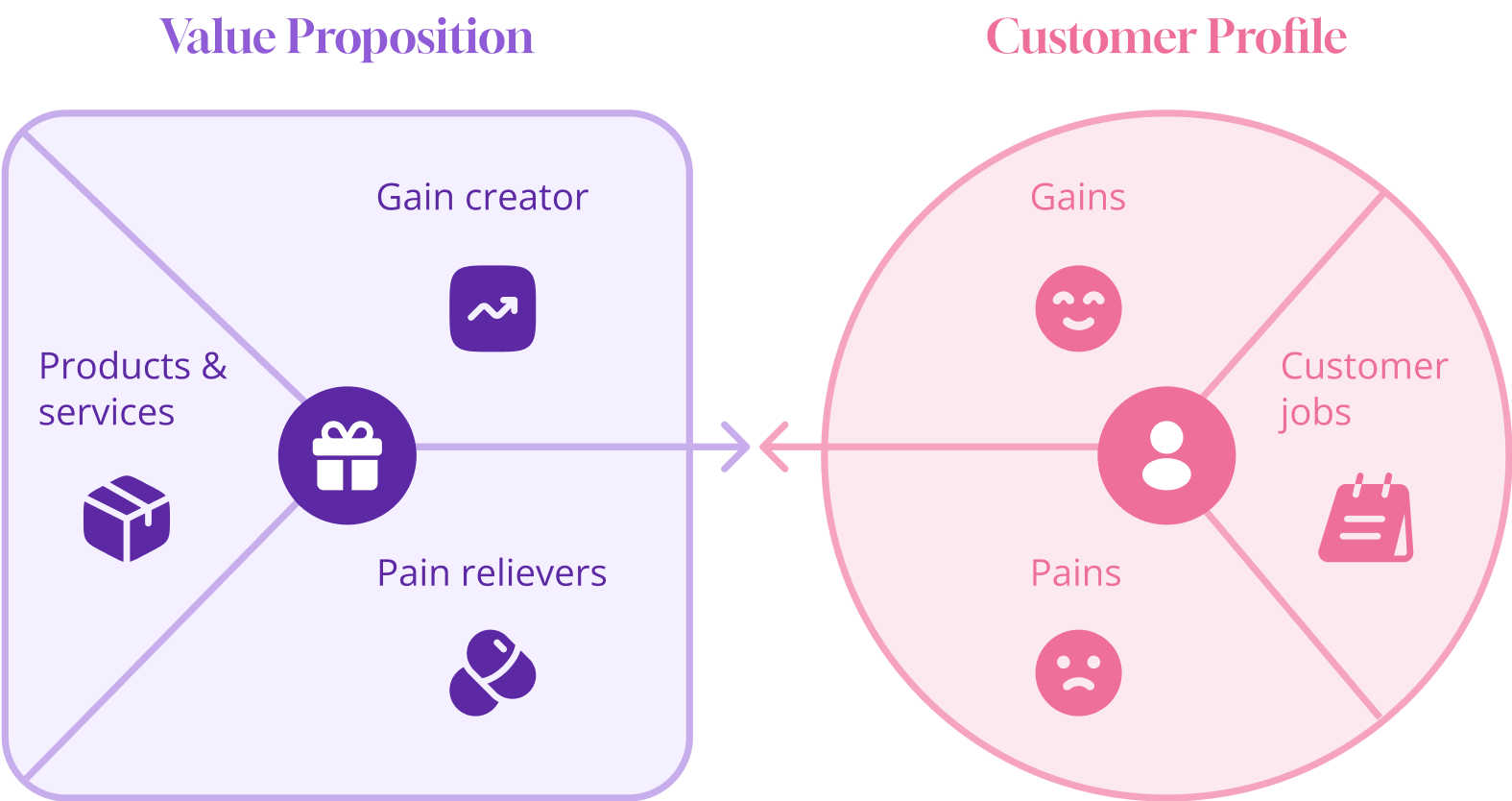
Why, you may ask, should creatives in these fields invest their time in a seemingly generic article? The answer lies in the foundational value these concepts bring to the table. The Value Hypothesis and Value Proposition Canvas are not just business tools; they are lenses through which you can critically assess, refine, and articulate what makes your project unique, how it addresses genuine audience needs, and why it deserves attention in a crowded marketplace.
The film industry, known for its competitive and ever-evolving nature, lacks structured, easily accessible educational materials that cater specifically to the nuanced needs of filmmakers, TV producers, and video creators. This absence makes it all the more crucial to grasp the underlying principles that drive successful projects and businesses. Understanding the Value Hypothesis helps you pinpoint the core assumptions behind your project's potential success, allowing you to test and validate these ideas effectively. Meanwhile, the Value Proposition Canvas enables you to map out the key elements that make your project appealing to your target audience, ensuring that every aspect of your production—from storytelling to marketing—aligns with their expectations and desires.
By reading our article, you'll gain insights into these critical strategic frameworks, equipping you with the knowledge to apply them to your unique context in the film, TV, and video industries. And this is just the beginning. We encourage you to delve deeper into our dedicated articles on crafting business plans specifically tailored to film, TV, and video script and production.
In essence, our article serves as a stepping stone towards mastering the art of strategic planning in your creative endeavours. It's an invitation to explore new ways of thinking about your projects, to innovate within your field, and to ultimately create work that not only fulfils your artistic vision but also achieves commercial success.
The Blueprint of Business Success: The Value Hypothesis and Value Proposition Canvas
Welcome to an informative exploration of the Value Hypothesis and the Value Proposition Canvas. If you've ever been curious about what exactly a Value Hypothesis is or why the Value Proposition Canvas is important, then this guide is for you. We're here to clarify these concepts and show how they are crucial to developing successful products or services.
The Value Hypothesis forms the core of every innovative product or service. Far from being just sophisticated terminology, it represents the essential belief that your offering will provide value to your customers. It serves as the fundamental basis for your business strategy, indicating the potential success of your product or service in the market.
Understanding Your Audience: Creating a Customer Profile
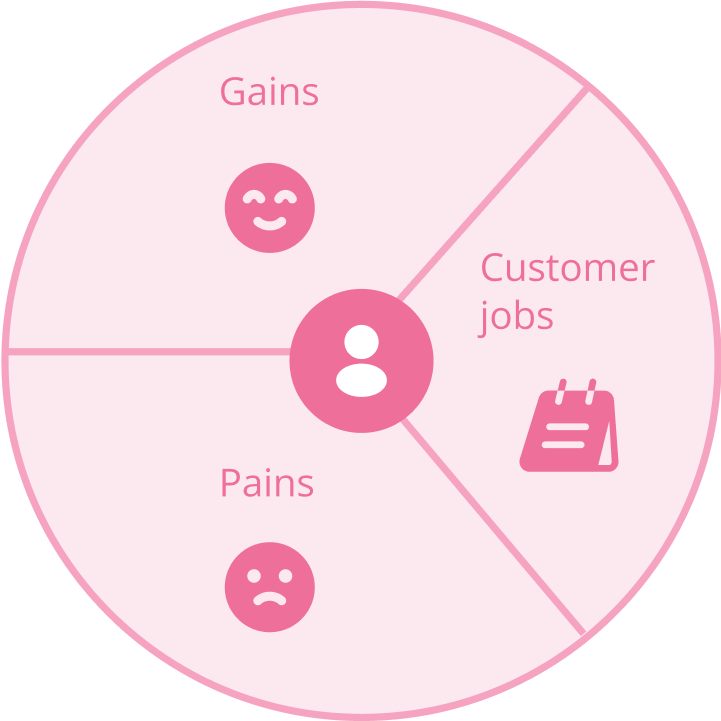
Consider taking a moment to see things from your customer's perspective. What are the challenges and problems they face that drive them to seek solutions? This step involves exploring the 'Pains' and 'Wants' (also called Jobs) of your customers, distinguishing between their significant and minor issues, and recognising the tasks they are trying to accomplish.
The Nature of Customer Pains
We start by examining the various pains your customers experience. These issues range from slight annoyances to significant problems that negatively impact their daily lives. By inquiring about what frustrates your customers or what fears they might have, you can identify the key issues they need addressed.
Understanding Latent and Acute Customer Pains
The Concept of Latent Pain
Consider a scenario where customers are aware of a problem but choose not to act on it immediately. This situation is referred to as Latent Pain. It's akin to a minor inconvenience or a forgotten task that doesn't seem urgent enough to address right away. Customers in this stage recognise an issue exists but may not feel compelled to seek a solution due to a lack of immediate impact or motivation. However, it's important to note that changes in circumstances can quickly escalate latent pain into a more pressing concern.
Transitioning to Acute Pain
The situation intensifies when we shift from latent to Acute Pain. Here, the previously overlooked problem becomes a significant obstacle demanding immediate attention. This shift marks a critical point where customers actively seek solutions to their now-pressing issues. Acute Pain represents a clear and immediate problem that disrupts the customer's status quo, compelling them to take action.
Through the progression from Latent to Acute Pain, we observe a dynamic change in customer behaviour—from passive awareness to active solution-seeking. This evolution underscores the importance of recognising and addressing customer pains at both stages.
Understanding Your Customer Pains
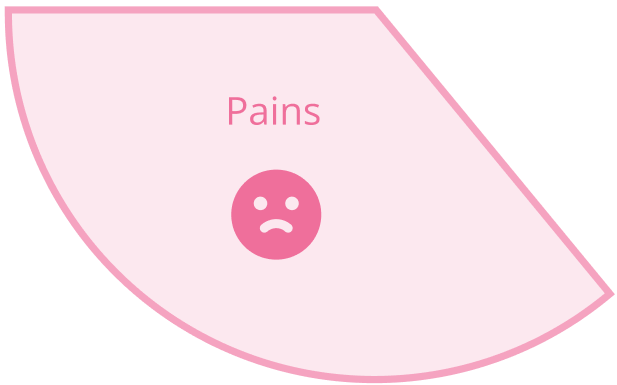
Identifying your customers' pains is about comprehending the challenges, frustrations, and obstacles they face. Gaining this understanding is essential for developing solutions that effectively address their actual problems.
Here are some strategies to help you understand your customers' pains better:
Identifying Customer Wants: Understanding Jobs to be Done
In this section, we delve into understanding 'Wants' or the 'Jobs to be Done' by our customers. This involves identifying the various tasks and objectives customers aim to achieve with the help of your product or service. The focus is on grasping the range of challenges they encounter daily, from routine to significant ones.
Tips for Identifying Customer Jobs:
Exploring Customer Gains: Seeking Added Value
Customer gains are the valuable outcomes and benefits that individuals seek when choosing your product or service. It's important to identify not only the basic and expected gains but also those that can significantly enhance the customer experience, making it more rewarding.
Guiding Questions to Identify Customer Gains:
There are four types of gains to consider:
Required Gains: The fundamental benefits that your customers expect to receive. Without these, your product or service wouldn't be viable or competitive.
Expected Gains: Additional benefits that customers anticipate based on their experiences with similar offerings. While not essential for the basic function, they are crucial for customer satisfaction.
Desired Gains: These go beyond what's expected to offer customers something they highly value. These gains can set your offering apart from competitors.
Unexpected Gains: Gains that customers didn't even know they wanted until they experienced them. Offering unexpected gains can significantly elevate the customer experience.
Developing the User Story
In every customer interaction, there's a story to be told. The User Story is your opportunity to detail your customer's experience — highlighting their needs, their challenges, and how your solution effectively addresses these issues.
Key Questions for Crafting a User Story:
To structure your user story, consider using the following template:
As a [type of customer] …
I want [to achieve some goal] …
So that [I can accomplish some reason] …
Defining Your Offering: Shaping the Value Proposition
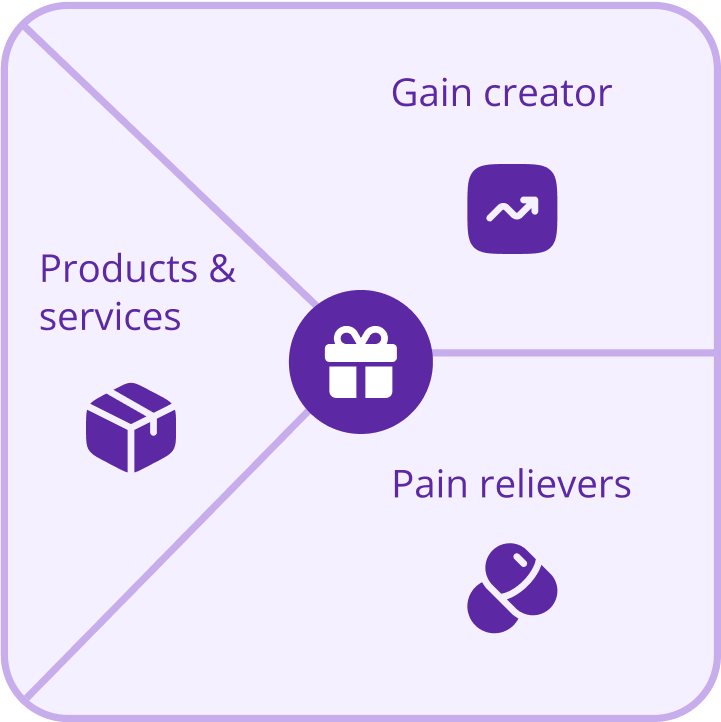
Take a moment to reflect on the unique value your product or service brings to the market. What sets your offering apart, and why should customers choose it over the competition? This phase of the Value Proposition Canvas focuses on articulating the 'Gain Creators' and 'Pain Relievers' that your offering provides.
Articulate Your Value Proposition: Offering and Impact
Your Value Proposition encompasses the core offerings of your business, including both tangible products and intangible services, designed to meet the specific needs of your customers.
Product Offering
Products are tangible assets that customers can interact with physically. They encompass items that can be bought, transported, stored, and used over time. For customers, choosing a product means gaining a physical solution to their needs or desires.
Service Offering
Services, in contrast, are intangible. They represent the expertise, time, and effort of skilled individuals. For your customers, opting for a service means accessing specialised knowledge or skills that solve problems or enhance their lives in ways products alone cannot.
Addressing Customer Pains: The Role of Pain Relievers
Within our toolkit, we identify Pain Relievers, crucial elements designed to alleviate the challenges our customers face.
Guidelines for Identifying Pain Relievers:
Generating Customer Gains: Introducing Gain Creators

Moving on to the benefits we aim to provide, we focus on Gain Creators. These are the aspects of our offering that go beyond mere satisfaction, aiming to impress and provide exceptional value.
Questions to Guide the Creation of Gain Creators:
Crafting Your Unique Value Proposition: Elevator Pitch for Success
At the core of defining your market position is the Unique Value Proposition (UVP), a critical declaration of your offering's distinctiveness. This process culminates in the creation of an elevator pitch, a concise and persuasive summary that encapsulates the unique aspects of your proposition.
Guiding Questions for Defining Your UVP:
Traditional Elevator Pitch
What is it you offer?
Example: An intelligent and personal TV & music experience where viewers get to watch TV they love and content providers get to own their audiences.
Who is it for?
Example: Pzaz is where cultures merge. It's where we connect globally.
What are they dissatisfied with?
Example: They waste over 40 minutes of their day trying to find something to watch. Not being able to find non-mainstream content.
Your key problem-solving capacity?
Example: Unified, all-in-one, cross-device, watch anything, anywhere.
What is your product?
Example: A culturally diverse, global entertainment platform.
Elevator Pitch by Geoffrey Moore
Who is it for?
Example: Wowzers is for entrepreneurs, investors, marketers and growth hackers…
Who are dissatisfied with?
Example: Who are dissatisfied with traditional approaches to sales and marketing.
What is it you offer?
Example: Wowzers provides a unified framework for data-driven growth-experimentation…
Your key problem-solving capacity?
Example: …to prioritise, measure and validate business assumptions and reduce investment risks (time, money, resources)
Who are your competitors?
Example: Unlike the existing project management tools like Basecamp, Microsoft Project and Trello…
What is your product?
Example: …Wowzers is a SAAS specifically designed to discover and engineer extraordinary business growth.
Defining Your Business: Vision, Mission, and Pitch
In concluding our exploration, we solidify our strategy with a clear vision, mission, and an elevator pitch. These elements collectively define not only what we offer but also articulate the purpose behind our endeavours and the methods we will employ to achieve our objectives.
This marks the completion of our detailed guide through the Value Hypothesis and Value Proposition Canvas, aiming to equip you with the knowledge to build a compelling and differentiated value proposition.